
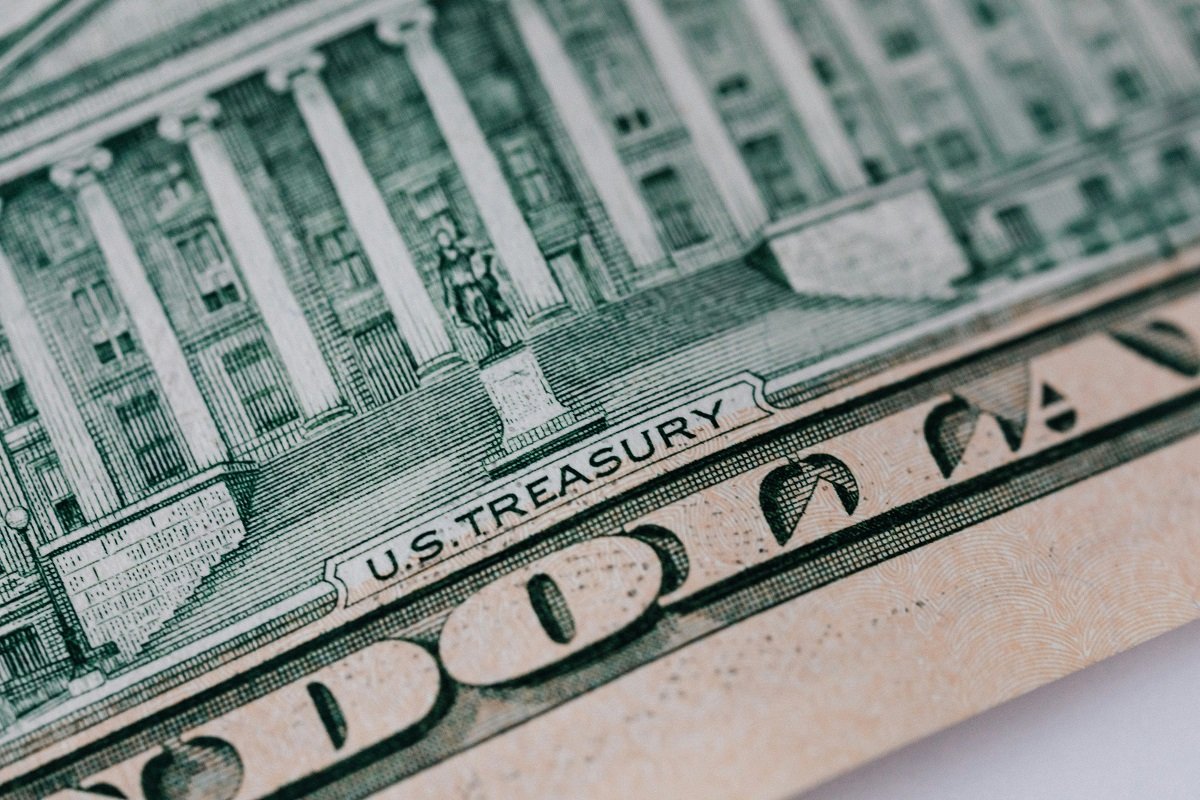
Economic stability is essential for the long-term prosperity of any nation, and in the United States, the Department of the Treasury plays a central role in achieving this goal. While the Treasury is often viewed through the lens of currency printing or tax collection, its influence runs far deeper. As the government’s financial manager, the Treasury is responsible for funding public services, managing national debt, stabilizing financial markets, enforcing economic sanctions, and responding to economic crises. Its actions have ripple effects that influence the lives of every American from the value of the dollar in your wallet to the mortgage rate on your home.
An Overview of the U.S. Department of the Treasury

Established in 1789 and led by the Secretary of the Treasury, this department is the backbone of the nation’s financial infrastructure. It oversees the Bureau of the Fiscal Service, the Internal Revenue Service (IRS), the Office of the Comptroller of the Currency (OCC), and the U.S. Mint, among other critical bureaus.
Core Responsibilities
Managing federal finances
Collecting taxes, duties, and money paid to the government
Paying the bills of the U.S. government
Managing government accounts and the public debt
Enforcing federal finance and tax laws
Advising the President on economic and financial issues
The Treasury is not a central bank—that role belongs to the Federal Reserve—but the two institutions work closely to maintain financial and economic order.
Managing Public Finances and the Federal Budget
One of the Treasury’s most visible functions is managing the federal government’s finances, including collecting taxes and issuing debt.
Debt Management
To finance the federal budget, particularly when expenditures exceed revenues, the Treasury issues securities such as Treasury bills, notes, and bonds. These instruments are purchased by individuals, institutions, and foreign governments. This borrowing must be carefully managed to maintain investor confidence and avoid spikes in interest rates that can destabilize the economy.
Spending Oversight
The Treasury ensures that federal funds are appropriately allocated and disbursed to agencies. It acts as the nation’s checkbook, making payments for everything from Social Security benefits to military expenses.
Combating Recessions and Economic Crises
The Treasury is a first responder in times of financial crisis, playing a leading role in recovery plans and stabilization efforts.
Bailouts and Rescue Programs
During the 2008 financial crisis, the Treasury launched the Troubled Asset Relief Program (TARP) to inject capital into banks and stabilize the financial system. In the COVID-19 pandemic, the Treasury helped implement the CARES Act, distributing stimulus checks, providing payroll protection loans, and supporting small businesses.
Strategic Lending and Guarantee Programs
In times of economic stress, the Treasury often backs credit programs, working alongside the Federal Reserve to ensure that businesses and municipalities have access to capital.
Managing the National Debt
Debt is a powerful tool, but when mismanaged, it can destabilize economies. The Treasury ensures that debt issuance is predictable, transparent, and sustainable.
Issuance of Bonds and Securities
The Treasury sells government debt in the form of marketable securities, and its strategy is designed to minimize borrowing costs over time while managing risk.
Debt Ceiling Negotiations
Though technically a function of Congress, the debt ceiling becomes the Treasury’s problem when limits on borrowing jeopardize its ability to fund government operations. The Treasury must then engage in extraordinary measures to avoid default, which would severely damage the economy.
Strengthening Financial Systems and Regulations
The Treasury also plays a key regulatory role in the U.S. financial system, often in coordination with other agencies like the SEC and Federal Reserve.
Office of the Comptroller of the Currency (OCC)
This bureau regulates and supervises national banks and federal savings associations, ensuring they operate safely and soundly.
Financial Stability Oversight Council (FSOC)
Chaired by the Treasury Secretary, the FSOC identifies systemic risks and coordinates the response to emerging threats to financial stability.
Anti-Money Laundering (AML) and Counter-Terrorism Financing (CTF)
Through the Financial Crimes Enforcement Network (FinCEN), the Treasury monitors illicit financial activities and enforces sanctions that safeguard the integrity of U.S. and global markets.
Currency and Monetary Policy Support
While the Federal Reserve sets interest rates and controls the money supply, the Treasury provides the physical currency Americans use daily and helps enforce the monetary framework.
U.S. Mint and Bureau of Engraving and Printing
These institutions produce coins and paper currency. Maintaining a steady supply of currency supports commerce and consumer activity.
Dollar as Global Reserve Currency
The Treasury plays a role in maintaining the dollar’s status as the world’s reserve currency, a position that grants the U.S. unparalleled influence in global finance.
Foreign Exchange Policy
The Treasury monitors exchange rates and intervenes if necessary to prevent extreme currency volatility that could harm trade or investment flows.
Administering Economic Sanctions and Foreign Policy Tools
Economic sanctions have become a central tool of U.S. foreign policy, and the Treasury is at the helm of their design and enforcement.
Office of Foreign Assets Control (OFAC)
OFAC enforces economic and trade sanctions based on U.S. foreign policy and national security goals. These sanctions can target countries, terrorists, drug traffickers, and other threats.
Global Impact
Sanctions can cripple foreign economies, restrict access to global financial systems, and deter aggressive behavior without military intervention.
Promoting Long-Term Economic Growth
Beyond crisis management, the Treasury helps shape long-term economic policy that affects growth, innovation, and competitiveness.
Tax Policy Development
Working with Congress and the White House, the Treasury helps design tax codes that support investment, reduce inequality, and ensure fiscal responsibility.
Incentivizing Investment
Through mechanisms like tax credits and bond programs, the Treasury encourages investment in infrastructure, green energy, education, and small businesses.
Data Collection and Economic Analysis
The Treasury publishes reports, forecasts, and data that guide business and policy decisions. These include the Financial Report of the U.S. Government, the Monthly Treasury Statement, and international economic assessments.
Collaborating with Global Financial Institutions
In an interconnected world, economic stability in the U.S. is tied to global financial health. The Treasury coordinates with institutions like the International Monetary Fund (IMF), World Bank, and G7 nations to address international crises and ensure coordinated policy responses.
Debt Relief and Development Aid
The Treasury supports programs that help developing countries stabilize their economies, reducing the risk of global shocks that could spill over into U.S. markets.
Trade and Exchange Rate Cooperation
By negotiating with major economies, the Treasury helps prevent currency manipulation, trade imbalances, and protectionist spirals that could trigger recessions.