The Rising Threat of Climate Induced Disasters
Climate change has evolved from a scientific concern into a full blown public safety issue. As sea levels rise wildfires rage and hurricanes grow more intense the threats to communities across the United States have become increasingly urgent. The Federal Emergency Management Agency FEMA along with other national and local bodies has been forced to rethink how to manage public safety in the face of these growing climate related risks.
Preparing for climate related public safety risks now requires long term planning comprehensive coordination real time technology and robust public education. This article explores the multifaceted relationship between climate change and public safety and how governments communities and individuals must respond to ensure resilience and protection.
The Types of Climate Related Public Safety Risks
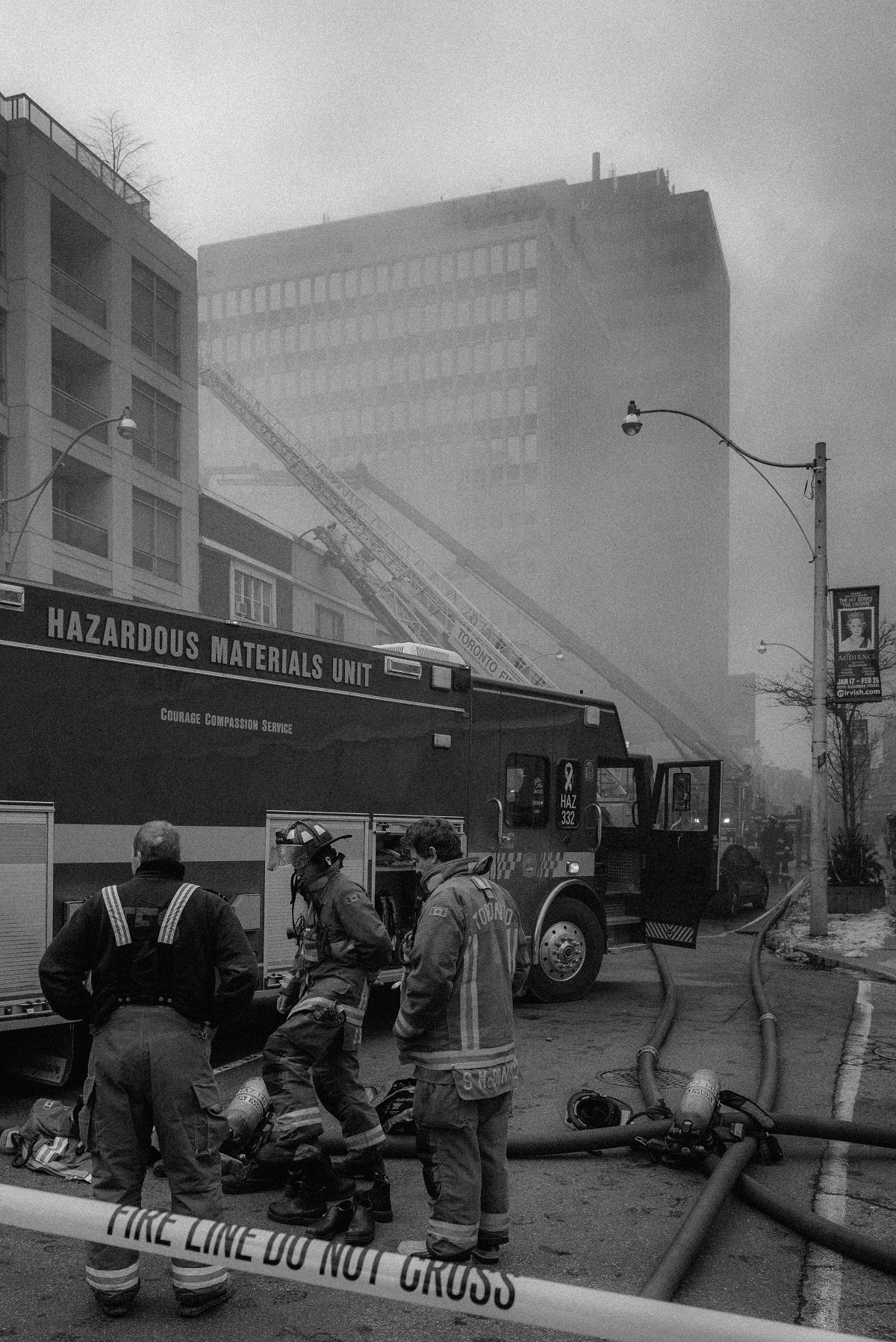
Climate related risks are no longer theoretical they are observable and measurable across multiple geographies. These hazards include
Extreme Weather Events Hurricanes tornadoes heatwaves and heavy rainfall events are increasing in both frequency and intensity.
Flooding Coastal flooding due to sea level rise and inland flooding caused by excessive rainfall are displacing communities and damaging critical infrastructure.
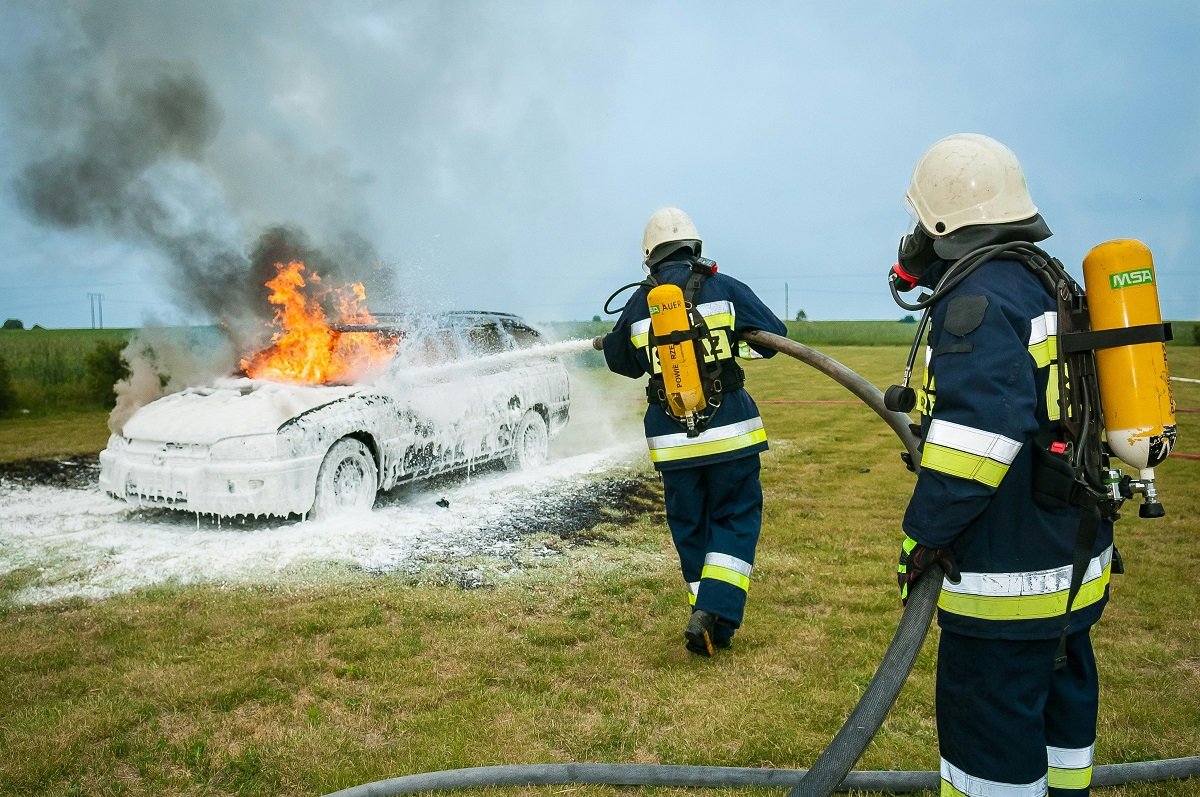
Wildfires Drought and rising temperatures contribute to increasingly destructive wildfires especially in western states like California and Oregon.
Drought and Water Scarcity Extended droughts threaten water supplies agriculture and increase the risk of wildfires.
Disease Outbreaks Changing temperatures and shifting ecosystems have allowed disease vectors like mosquitoes to spread to new areas introducing illnesses like West Nile Virus and dengue fever.
Each of these risks brings unique challenges for public safety officials healthcare systems emergency services and government response mechanisms.
Federal Response and Interagency Coordination
The US federal government plays a vital role in preparing for and responding to climate related public safety risks. FEMA the Department of Homeland Security DHS the Environmental Protection Agency EPA and the Centers for Disease Control and Prevention CDC all have significant roles in this evolving field.
FEMA has taken steps to integrate climate change into its strategic planning. For example the agency National Risk Index identifies communities most vulnerable to natural disasters including those exacerbated by climate change. Additionally FEMA has revised its pre disaster mitigation grants to encourage states to adopt climate resilient building codes and infrastructure.
Interagency coordination is essential. The Department of Energy might need to coordinate with FEMA when power grids are threatened by heatwaves. Similarly the US Army Corps of Engineers plays a critical role in flood prevention infrastructure often working alongside local agencies.
Infrastructure and Urban Planning Adaptations
One of the most critical components of preparing for climate related risks is transforming the physical infrastructure of cities and towns. Urban areas are particularly vulnerable due to population density and aging infrastructure.
Stormwater Management Cities are redesigning their drainage systems to handle larger volumes of water to prevent urban flooding.
Resilient Building Codes New zoning laws and construction standards are being introduced to ensure buildings can withstand extreme events like hurricanes and earthquakes.
Cooling Infrastructure With heatwaves becoming more common cities are investing in cooling centers shaded public areas and reflective building materials to reduce the urban heat island effect.
Green Infrastructure Parks wetlands and permeable pavements are being implemented not only to beautify cities but also to absorb excess rainfall and reduce heat.
Federal funding through programs like the Bipartisan Infrastructure Law is supporting many of these initiatives, showing a strong link between infrastructure and climate adaptation.
The Role of Data and Technology in Climate Preparedness
Accurate data and real time technology are becoming indispensable in public safety planning. Agencies now rely on predictive analytics satellite imagery and AI driven modeling to assess risk and allocate resources more effectively.
For instance the National Oceanic and Atmospheric Administration NOAA provides essential climate forecasting data used by emergency planners. Likewise climate simulations help local governments determine which neighborhoods are most at risk from rising sea levels or extreme heat.
Tech innovations like early warning systems automated alert services and climate dashboards ensure that citizens and first responders receive timely actionable information. Some localities even use social media monitoring tools to identify vulnerable populations during climate emergencies.
Public Education and Community Engagement
No climate preparedness plan is complete without engaging the communities most at risk. Public education campaigns are crucial for raising awareness and encouraging readiness at the household level.
These efforts include
Emergency Preparedness Workshops Held in schools libraries and community centers to teach families how to respond to disasters.
Localized Risk Maps Sharing easily understandable maps that show flood zones wildfire prone areas and evacuation routes.
Resilience Hubs Community centers that provide cooling emergency power and information during extreme events.
Multi Language Outreach Ensuring that all community members including non English speakers receive timely warnings and preparedness materials.
Local governments NGOs and volunteer groups are instrumental in delivering these programs and often act as trusted intermediaries between the public and federal agencies.
Vulnerable Populations Equity in Climate Safety
Climate-related public safety risks do not impact all communities equally. Low income neighborhoods people of color seniors and people with disabilities often face the greatest danger. These communities may live in more hazardous areas have fewer resources for emergency preparedness and experience slower recovery times.
Federal efforts are now focusing more on climate equity. FEMAs Building Resilient Infrastructure and Communities BRIC program includes equity as a selection criterion for funding projects. Additionally, the Biden administrations Justice40 Initiative mandates that 40% of federal climate-related investments benefit disadvantaged communities.
It is critical that preparedness strategies not only consider geography and science but also social vulnerabilities. Equitable planning ensures no group is left behind when disaster strikes.
Climate Risks and the Insurance Market
Insurance companies have been among the first to financially quantify the impacts of climate related disasters. As wildfires floods and hurricanes become more frequent insurance premiums are rising and coverage is shrinking especially in high risk areas.
Some insurers have pulled out of states like Florida and California altogether. This shift puts enormous pressure on homeowners and governments to find alternative risk-mitigation and coverage strategies.
In response state and federal officials are exploring new public insurance programs risk pooling mechanisms and incentive systems to encourage homeowners to invest in climate resilient improvements.
Legal and Policy Frameworks for Climate Safety
To strengthen national climate preparedness comprehensive legal reforms are being considered. These include
Mandatory Climate Risk Disclosures For real estate developers and financial institutions.
Revised Zoning Laws To prevent building in flood-prone or wildfire vulnerable areas.
National Climate Adaptation Strategy A unified federal plan to align resources policies and goals across agencies.
Climate Emergency Declarations Some states and municipalities have begun issuing official declarations to unlock funding and coordinate responses.
These legal frameworks not only improve public safety but also ensure long term accountability for governments and private developers alike.
Funding the Future of Climate Safety
Addressing climate related public safety risks requires major financial investments. While federal programs like BRIC and the Infrastructure Investment and Jobs Act offer billions in funding, the need far outpaces current spending.
Innovative funding mechanisms like green bonds carbon taxes and public private partnerships are being explored to close the gap. In addition international cooperation and climate resilience funds can help the US both adapt to and mitigate the global nature of the threat.