
When President Donald Trump first entered the White House, one of his core promises was to reform America’s immigration system. Among the many aspects of this reform was a targeted focus on work visas, especially the H-1B visa program a system long relied upon by the US technology industry to recruit skilled professionals from around the world.
Now, as Trump’s administration reintroduces similar measures and proposals aimed at tightening H-1B eligibility and reshaping the visa’s distribution process, the reverberations across Silicon Valley and the broader technology ecosystem are growing more intense.
The implications of these changes extend far beyond the borders of immigration policy; they strike at the heart of innovation, global competitiveness, and the very structure of the American tech workforce.
The H-1B Visa A Lifeline for America’s Tech Industry
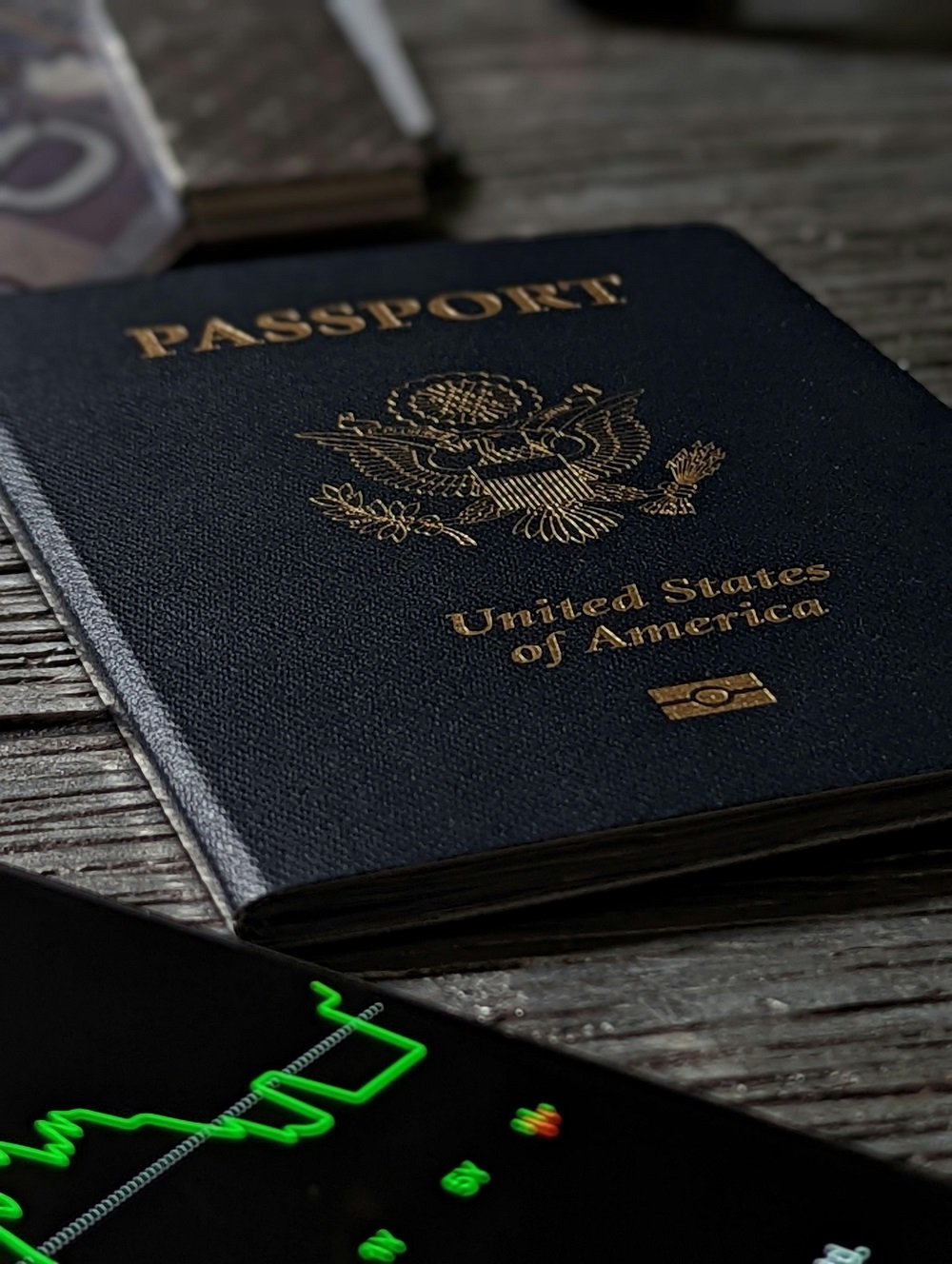
For decades, the H-1B visa program has been a cornerstone of the American technology sector. Established in 1990, the H-1B program allows US employers to temporarily hire foreign workers in specialty occupations roles that typically require advanced knowledge in science, engineering, computing, or mathematics.
Every year, 85,000 new H-1B visas are issued, with 65,000 for general applicants and an additional 20,000 for those with advanced degrees from US universities. Companies like Google, Microsoft, Amazon, Meta, and Apple have long depended on this system to fill critical skill gaps, particularly in software engineering, data science, and artificial intelligence fields where domestic talent supply often falls short of growing demand.
In recent years, roughly 70% of H-1B visa recipients have come from India, home to a vast pool of skilled IT professionals. These workers form the backbone of America’s digital economy, driving innovation in everything from cloud computing to cybersecurity.
For the tech industry, the H-1B program isn’t merely a hiring mechanism it’s a competitive necessity in a globalized talent market. Without access to this international expertise, many US companies risk losing their technological edge to competitors in China, Europe, and beyond.
Trump’s Approach to the H-1B Visa Program
President Trump’s stance on the H-1B visa program is rooted in his broader “America First agenda, which seeks to prioritize American workers for American jobs. During his first term, his administration introduced a series of executive orders and policy changes that sought to restrict the issuance of H-1B visas and tighten scrutiny of existing holders. The core argument was that too many companies were using the system to outsource jobs, undercut wages, or bypass domestic talent.
Trump’s new proposals appear to revive many of those earlier efforts. They include stricter definitions of “specialty occupations higher salary thresholds for visa eligibility, and increased scrutiny of third-party job placements.
Additionally, the administration has hinted at reconfiguring the lottery system to favor applicants with higher wages or advanced credentials an approach designed to ensure that only the “best and brightest receive visas. However, critics argue that such changes risk alienating the very innovators who drive America’s economic growth.
How These Changes Affect Big Tech Giants
The effects of Trump’s proposed H-1B reforms are expected to ripple most strongly through Big Tech companies those that have come to rely heavily on a global talent pool. Firms like Google, Amazon, Microsoft, and Meta sponsor thousands of H-1B visa holders every year, many of whom occupy crucial engineering, research, and development roles.
These companies argue that their demand for foreign talent arises from a genuine skills shortage in the US labor market, especially in advanced computing disciplines such as artificial intelligence, machine learning, and data analytics.
If stricter visa requirements take effect, Big Tech could face immediate hiring challenges. The cost and complexity of securing work authorization would rise, delaying projects and potentially driving skilled workers toward more visa-friendly destinations like Canada, the United Kingdom, or Australia.
For instance, Canada’s Global Talent Stream program allows tech workers to receive work permits in just two weeks a stark contrast to the months-long H-1B process, often mired in bureaucracy. Such disparities could tilt the balance of global innovation away from Silicon Valley.
Moreover, companies might be forced to relocate teams or establish satellite offices in other countries to maintain access to global talent.
Microsoft already operates major R&D centers in Vancouver and Dublin, in part to accommodate talent affected by US.visa restrictions. A renewed wave of H-1B tightening could accelerate this trend, potentially leading to a slow erosion of the US tech sector’s dominance.
Startups and Innovation Ecosystems Could Suffer
While the largest tech firms have the resources to adapt, smaller startups stand to lose even more from Trump’s H-1B reforms. Startups depend on agility, innovation, and access to a diverse range of skills.
Many rely on immigrant founders and employees to develop cutting-edge technologies and compete with established industry leaders. According to data from the National Foundation for American Policy (NFAP), more than half of America’s billion-dollar startups were founded or co-founded by immigrants. In Silicon Valley alone, immigrants are responsible for an outsized share of patents and new ventures.
Tightening the H-1B pipeline threatens this entrepreneurial ecosystem. If foreign-born talent finds it increasingly difficult to secure work authorization, many innovators may simply choose to establish their companies elsewhere.
The result could be a “brain drain,” where the world’s brightest technologists redirect their skills toward countries with more welcoming immigration systems. Over time, this could shift the global center of innovation away from the United States a development that would have long-term economic consequences.
The Economic Ripple Effects
At its core, the H-1B visa debate is not just about jobs it’s about economics. The US technology sector contributes more than $2 trillion annually to the national economy and employs millions of people, both directly and indirectly.
Foreign workers on H-1B visas play a crucial role in sustaining this ecosystem. They contribute to tax revenues, boost consumer spending, and drive corporate productivity. Restricting their access could slow growth, dampen innovation, and weaken the country’s position in the global digital economy.
Moreover, there’s evidence that H-1B workers don’t displace domestic workers as critics often claim. Instead, they complement them by expanding the overall labor force and increasing demand for related jobs.
For instance, every H-1B position in a tech firm can generate several additional support roles from project management to marketing to customer service. Economists argue that curbing H-1B visas would not necessarily create more American jobs; it could, in fact, reduce them by limiting business expansion and competitiveness.
The Global Talent War and America’s Competitive Edge
The race for tech talent is now a global competition, and America’s leadership in this race is no longer guaranteed. Countries such as Canada, the United Kingdom, Singapore, and Germany have actively restructured their immigration systems to attract skilled workers especially those frustrated by US visa restrictions. Canada’s “Tech Talent Strategy,” for example, directly targets foreign professionals affected by American policy uncertainty, offering streamlined pathways to permanent residency.
If Trump’s H-1B policies deter international talent from coming to the US the consequences could be profound. America’s innovation edge built over decades of attracting the world’s best engineers and scientists could erode.
The country risks losing not only skilled labor but also the entrepreneurial energy that has fueled its startup culture. As artificial intelligence, green technology, and biotechnology become the defining industries of the next decade, nations that can attract and retain top talent will dominate the global economy. If US immigration policy becomes too restrictive, Silicon Valley could cede that leadership to emerging hubs like Toronto, Berlin, or Bangalore.
The Legal and Administrative Complications
Beyond the immediate economic impact, Trump’s visa changes could create new layers of bureaucracy for companies and workers alike. During his previous term, the US Citizenship and Immigration Services (USCIS) introduced stricter vetting procedures, leading to longer processing times and higher denial rates. Employers reported increased paperwork, unexpected requests for evidence (RFEs), and delays that disrupted hiring cycles.
If similar practices return, HR departments at tech companies will face renewed compliance burdens. Recruiting teams may need to navigate complex legal hurdles just to bring new employees onboard. Smaller firms without dedicated immigration lawyers could find themselves priced out of the process entirely, unable to compete for international talent. These administrative frictions would further slow innovation and weaken America’s reputation as a destination for skilled professionals.
Political Motivations and Public Perception
Trump’s renewed focus on H-1B reform also carries political undertones. The narrative of protecting American jobs resonates strongly with parts of the electorate who feel left behind by globalization and automation.
However, the reality is more nuanced. While it’s politically convenient to frame H-1B workers as taking jobs from Americans, the data consistently shows that these positions are often those that US companies struggle to fill domestically. By targeting the program, Trump’s administration risks undermining one of America’s most successful economic engines.
At the same time, the issue has become a cultural flashpoint. Immigration remains one of the most polarizing topics in American politics, and the H-1B debate reflects broader tensions over globalization, economic inequality, and national identity. For Big Tech an industry already under scrutiny for its influence and power being at the center of this debate only intensifies public and political pressure.
Potential Adaptations by the Tech Industry
If Trump’s H-1B restrictions move forward, tech companies are unlikely to remain passive. Many firms have already begun diversifying their global operations, setting up technology hubs in countries with more flexible visa systems.
Others may invest more heavily in remote work infrastructure, allowing foreign employees to contribute from their home countries without relocating to the US The COVID-19 pandemic demonstrated that distributed teams can operate effectively, and this flexibility could become a long-term strategic response to restrictive immigration policies.
Furthermore, Big Tech may ramp up its lobbying efforts to influence future legislation. Industry leaders have consistently argued that innovation depends on openness and diversity, and they may seek to collaborate with lawmakers to find a balance between protecting domestic workers and maintaining global competitiveness.
The Human Impact Behind the Policy
Behind every visa policy are real human stories. Thousands of H-1B workers many of whom have lived in the US for years face deep uncertainty about their future. They buy homes, raise families, and contribute to their communities, yet often live under the shadow of visa renewals and changing regulations. For many, the prospect of stricter H-1B rules means disrupted lives, stalled careers, and the heartbreak of uprooting their families.
The human element of the H-1B debate is often overshadowed by political rhetoric. But it is essential to recognize that these workers are not faceless statistics they are innovators, engineers, scientists, and dreamers who have helped build the digital infrastructure that powers modern life. Policies that push them away risk not only economic damage but also the loss of a vital human dimension that has always defined America’s success.