
When the economy slows jobs disappear businesses cut back and households tighten their budgets. In such times governments face a critical question Can increased spending jumpstart economic recovery Economists policymakers and citizens have debated this for decades and the answer is complex.
While government spending can provide a powerful boost in certain circumstances its effectiveness depends on timing scale and the broader economic context. Census labor and budget data give us insights into how spending programs have worked in the past and how they might be used in the future.
The Logic of Government Spending
At its core government spending during slowdowns is based on Keynesian economics the idea that when private demand falls public spending can fill the gap. If businesses are not investing and households are cutting back the government can step in by funding infrastructure healthcare education and direct aid to households. This creates jobs boosts incomes and increases consumer demand which in turn encourages businesses to produce and hire more.
In theory this sets off a multiplier effect each dollar the government spends circulates through the economy generating more than one dollar in total activity. For example building a bridge pays construction workers who then spend their wages on groceries which supports local businesses and jobs.
Historical Examples
The New Deal 1930s
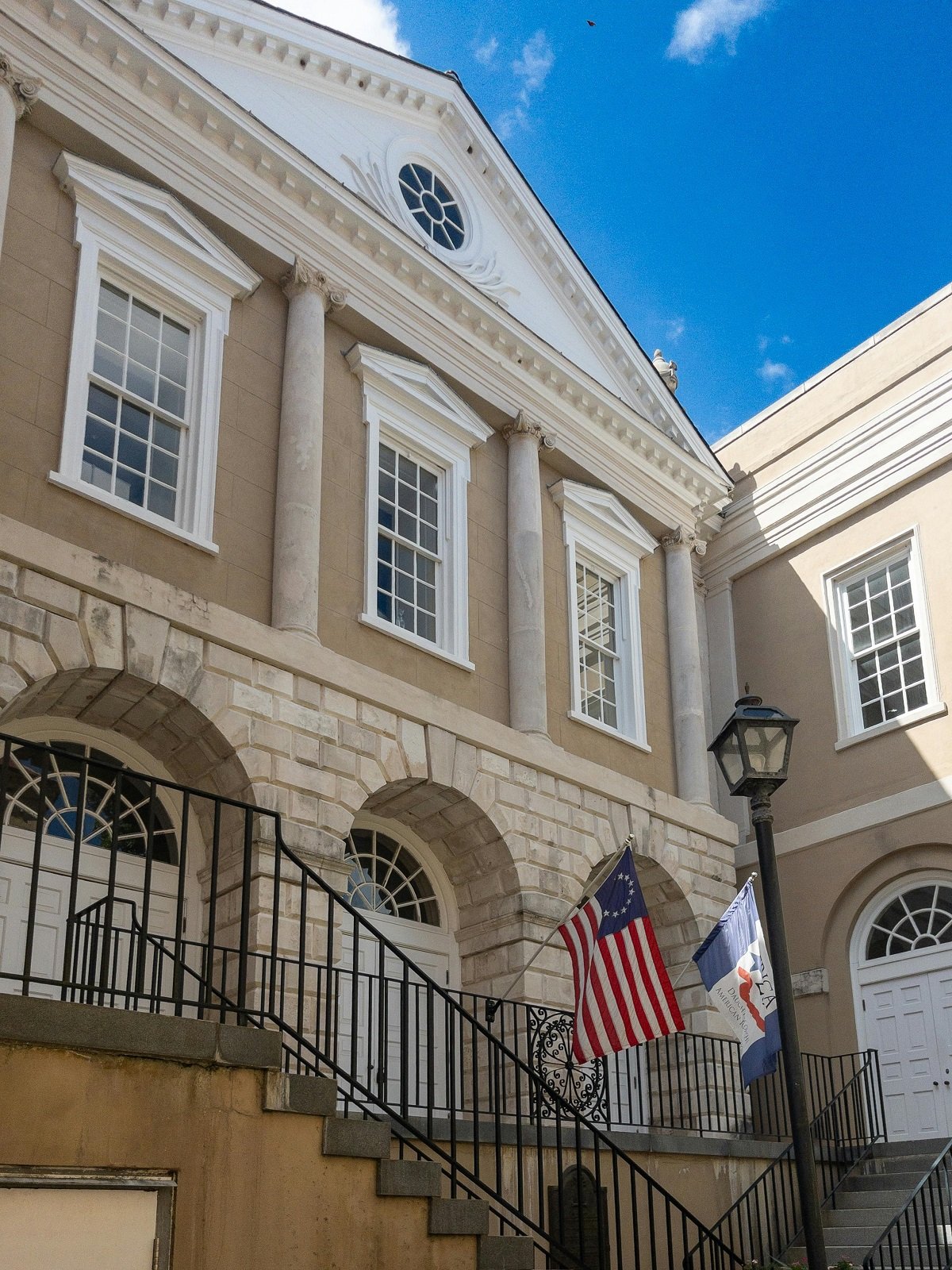
During the Great Depression President Franklin D. Roosevelt launched large-scale public works programs to combat unemployment. Initiatives like the Works Progress Administration WPA and Civilian Conservation Corps CCC provided millions of jobs. While recovery was gradual these programs demonstrated how government investment could provide relief and stimulate economic activity.
World War II Spending
Military spending during World War II is often credited with fully ending the Depression. Factories boomed unemployment plummeted and the massive surge in government outlays transformed the economy.
The 2008–2009 Financial Crisis
In response to the Great Recession the US passed the American Recovery and Reinvestment Act ARRA a stimulus package of nearly $800 billion. It included infrastructure spending tax cuts and direct aid to states. Research suggests it helped prevent deeper job losses though critics argue it was not large enough to spark a rapid recovery.
COVID-19 Pandemic 2020–2021
The federal government approved trillions in relief through direct stimulus checks expanded unemployment benefits and loans to businesses. This spending provided immediate relief to households and stabilized financial markets. While it prevented an even sharper collapse some argue it contributed to the surge of inflation that followed.
Benefits of Government Spending
Job Creation Public works and social programs provide direct employment.
Stabilization Prevents collapses in consumer demand and business investment.
Social Protection Expands safety nets for vulnerable populations during crises.
Long-Term Investments Infrastructure education and clean energy projects can improve long-term productivity.
These benefits show how targeted spending can reduce the severity of downturns and lay foundations for future growth.
Criticisms and Limitations
Not all economists agree that government spending is the best solution. Some of the main criticisms include
Debt and Deficits Large spending increases the national debt raising concerns about repayment and long-term fiscal health.
Inflation Risks If the economy is already recovering extra spending can overheat demand leading to rising prices.
Crowding Out Critics argue government borrowing might raise interest rates and reduce private investment although this is less of a concern in deep recessions.
Inefficiency Poorly designed programs can waste money without creating lasting benefits.
Political Constraints Stimulus measures often face delays in Congress meaning money may arrive too late to address the immediate crisis.
The Role of Targeting and Timing
The effectiveness of government spending depends heavily on what money is spent on and when it is spent. For example
Fast relief like direct checks and unemployment aid puts money in people’s pockets immediately supporting consumer demand.
Long-term investments like infrastructure or clean energy may take years to roll out but provide lasting economic benefits.
Poorly timed measures can miss the window arriving after the economy is already recovering or being withdrawn too soon slowing growth again.
A Balanced Approach
Most economists agree that government spending can play a valuable role in fighting slowdowns but should be balanced with other policies
Monetary Policy Central banks lowering interest rates and expanding credit access.
Structural Reforms Investing in skills training healthcare and innovation to make the economy more resilient.
Responsible Fiscal Management Ensuring that emergency spending is balanced by long-term planning for debt sustainability.