

The U S federal prison system is a cornerstone of the nation’s criminal justice framework designed to house individuals convicted of federal crimes ranging from financial fraud to drug trafficking and violent offenses. However for decades the system has been plagued by overcrowding a problem that strains resources compromises safety and raises serious ethical and legal concerns.
Federal prisons were built with a capacity to hold a certain number of inmates yet the population has consistently exceeded those limits creating ripple effects that impact not only incarcerated individuals but also correctional officers policymakers, and taxpayers. As calls for reform grow louder the debate centers on how to balance public safety with fairness rehabilitation and the responsible use of government resources.
The Roots of Overcrowding
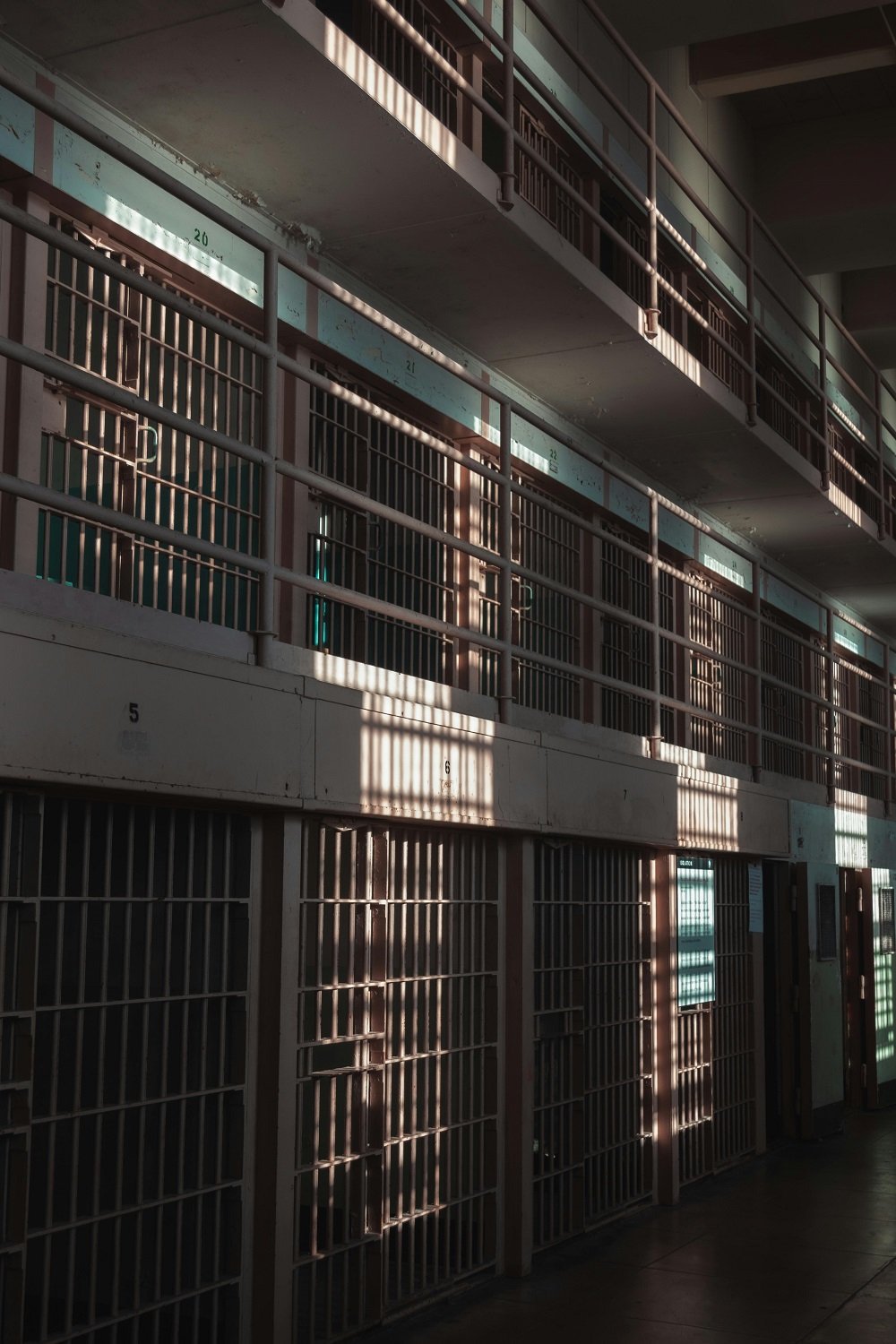
The issue of federal prison overcrowding has deep roots tied largely to the tough on crime policies of the 1980s and 1990s. The War on Drugs led to mandatory minimum sentencing laws that dramatically increased incarceration rates particularly for nonviolent drug offenses.
Over time this led to a ballooning prison population with federal facilities housing far more inmates than they were designed to accommodate. For example some prisons built to hold 1000 inmates ended up housing nearly double that number, stretching facilities staff and budgets to their limits. Even though incarceration rates have declined slightly in recent years federal prisons continue to operate at or above capacity underscoring the long-lasting consequences of past policies.
Consequences of Overcrowding
Overcrowding in federal prisons produces a wide range of negative effects. First and foremost it undermines safety and security. When too many inmates are packed into confined spaces tensions run high increasing the likelihood of violence and unrest. Correctional officers face dangerous working conditions often being outnumbered by inmates at ratios that make maintaining order extremely difficult.
In addition to safety concerns overcrowding compromises healthcare and rehabilitation services. Limited access to medical care mental health support and educational or vocational programs means inmates are less likely to rehabilitate successfully increasing the risk of recidivism once they are released. Furthermore overcrowded conditions have been criticized as violating basic human rights with inmates enduring cramped living spaces inadequate sanitation and limited privacy. These conditions not only harm incarcerated individuals but also erode public trust in the justice system.
The Cost to Taxpayers
Federal prison overcrowding also imposes a substantial financial burden. The Federal Bureau of Prisons BOP operates on a budget of billions of dollars annually with a significant portion going toward housing feeding, and supervising inmates. Overcrowding forces facilities to spend more on overtime for correctional officers healthcare services and infrastructure maintenance. This reduces funds available for rehabilitation programs crime prevention and other initiatives that could reduce incarceration rates in the long run. Critics argue that the government is spending enormous sums to warehouse inmates without addressing the root causes of crime making prison overcrowding not only a humanitarian issue but also a financial inefficiency.
Reform Efforts Steps Toward Change
Recognizing the seriousness of overcrowding policymakers have introduced a variety of reforms aimed at reducing prison populations and improving conditions. The most notable example is the First Step Act of 2018 which expanded opportunities for inmates to earn good-time credits allowed for greater use of compassionate release and reformed some sentencing laws to reduce overly harsh penalties. In addition there has been growing bipartisan support for criminal justice reform more broadly with lawmakers exploring alternatives to incarceration such as probation community service and treatment programs for nonviolent offenders. Expanding reentry programs has also been emphasized as providing education, job training and housing support helps reduce recidivism and keeps former inmates from returning to prison.
The Role of Alternatives to Incarceration
One of the most promising paths to reducing overcrowding is expanding the use of alternatives to incarceration. Drug courts mental health courts and diversion programs can steer nonviolent offenders toward treatment rather than prison addressing underlying issues that contribute to criminal behavior. For low-level offenders community supervision or electronic monitoring can provide accountability without the costs and negative consequences of incarceration. Expanding these alternatives requires investment and careful oversight but it offers a pathway toward a system that prioritizes rehabilitation and reintegration over punishment alone.
Ongoing Challenges and the Road Ahead
Despite progress significant challenges remain. Political disagreements often slow the pace of reform with some policymakers resisting changes they perceive as being soft on crime. In addition systemic issues such as racial disparities in sentencing and the criminalization of poverty continue to funnel large numbers of people into federal prisons. Building public support for reform requires reframing the conversation: reducing overcrowding is not about excusing crime but about creating a system that is safer fairer and more effective at reducing long-term crime rates. Ensuring that reforms are fully implemented and adequately funded will be critical to achieving lasting change.