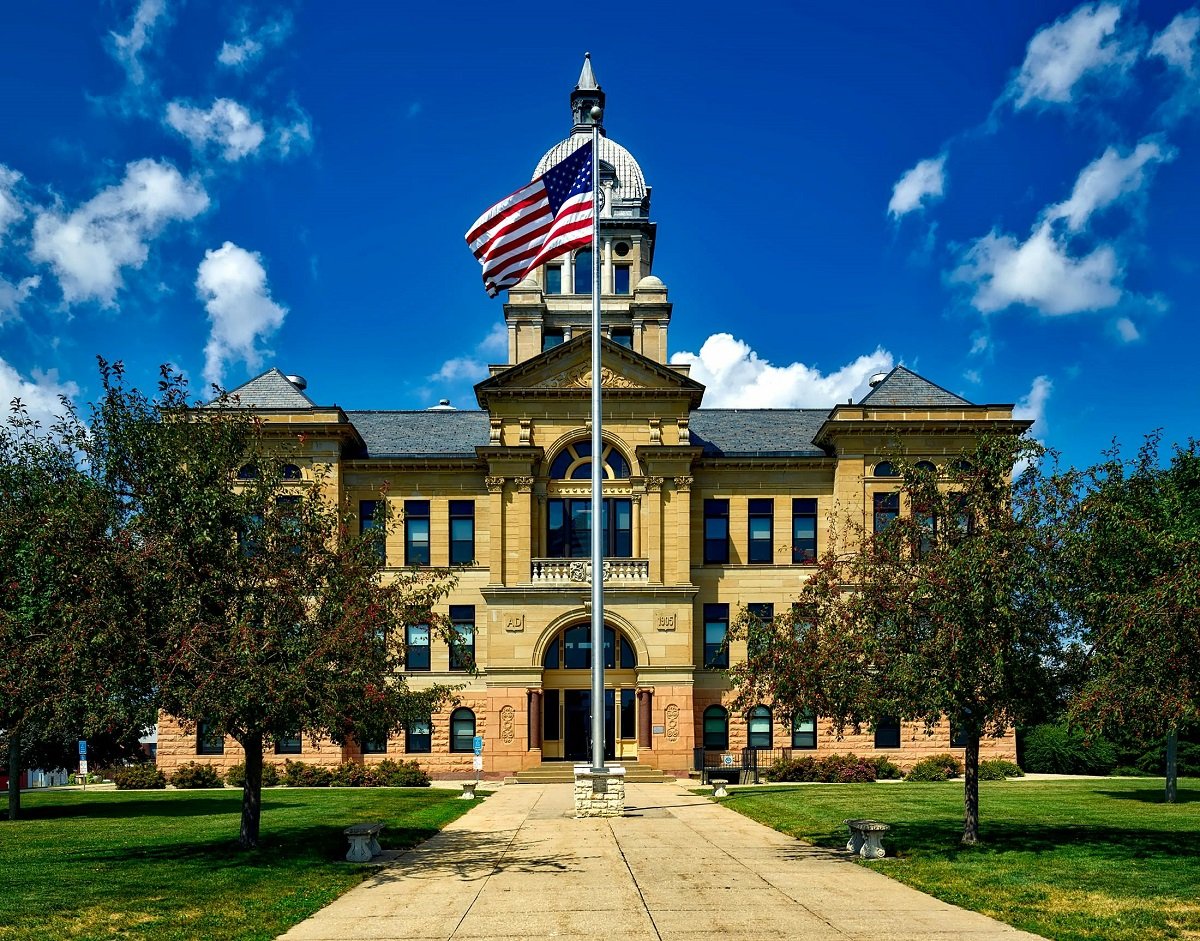

The safety of federal buildings and agencies has become a pressing concern in today’s world where threats can range from terrorism and cyberattacks to natural disasters and workplace violence. Federal facilities from courthouses and office complexes to research laboratories and military installations house not only sensitive information and critical operations but also thousands of employees and daily visitors.
Ensuring their protection is therefore not merely a matter of safeguarding physical infrastructure it is also about defending national security maintaining the rule of law and preserving public trust in government institutions. Yet the question remains just how safe are these buildings and the people who work in them? The answer is complex, as federal safety involves overlapping systems of security, evolving threats and a constant balancing act between accessibility and protection.
Historical Lessons and Security Awareness
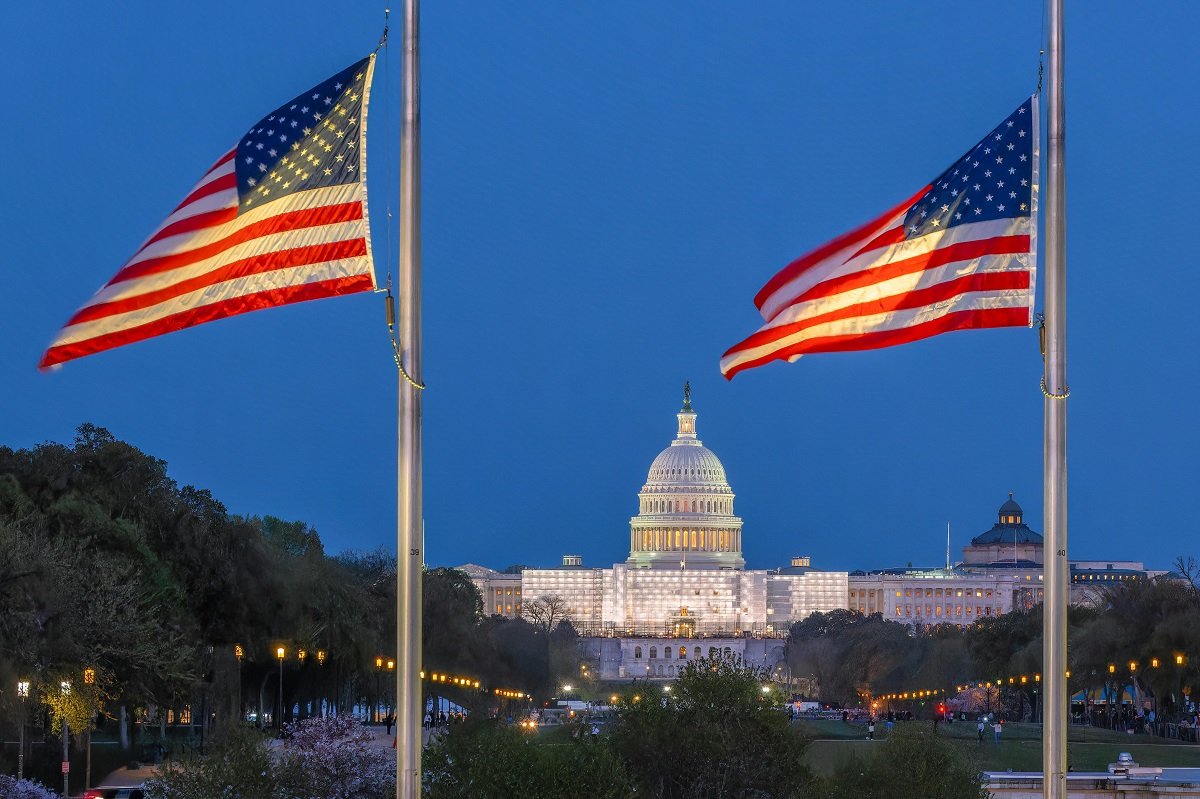
The urgency of protecting federal buildings became starkly evident in the wake of several tragic events. The 1995 Oklahoma City bombing in which Timothy McVeigh attacked the Alfred P. Murrah Federal Building killed 168 people and demonstrated the devastating potential of domestic terrorism. This event marked a turning point spurring dramatic improvements in physical security measures such as reinforced building designs stricter access controls and closer coordination among federal protective services.
Later the September 11 2001 terrorist attacks further underscored the vulnerability of high-profile federal facilities, prompting new legislation expanded intelligence coordination and increased funding for federal security infrastructure. These historical lessons have shaped the modern approach to protecting federal buildings embedding security considerations into both design and daily operations.
Physical Security Measures
At the most visible level federal buildings employ a wide range of physical security measures designed to deter and respond to threats. Many facilities are now constructed or retrofitted with blast-resistant materials reinforced windows and controlled entry points. Access to federal buildings is generally restricted to employees and registered visitors who must pass through metal detectors bag scanners or biometric checkpoints. Security personnel including officers from the Federal Protective Service FPS patrol and monitor facilities, while surveillance cameras provide constant oversight. High-risk facilities such as courthouses or intelligence agencies often employ layered security systems, creating multiple checkpoints that make unauthorized access extremely difficult. In addition many buildings are designed with standoff distances setbacks between the building and public streets to reduce the impact of potential vehicle-borne explosives.
Despite these precautions, physical safety is not absolute. Large federal buildings often welcome thousands of visitors daily making it difficult to completely eliminate vulnerabilities. Balancing public accessibility particularly in places like courthouses or congressional offices with strict security remains a challenge as excessive barriers could undermine democratic values of openness and transparency.
Cybersecurity and Information Protection
In the digital age the safety of federal agencies is no longer confined to brick-and-mortar protections. Cybersecurity has become an equally critical concern as agencies store massive amounts of sensitive data ranging from national security intelligence to citizens personal records. Federal networks have increasingly come under attack from hackers cybercriminals and even foreign state actors. For example, the 2015 Office of Personnel Management OPM data breach exposed the personal information of more than 21 million federal employees highlighting how vulnerabilities in information systems can compromise not only individuals but also national security.
To address these risks federal agencies have implemented frameworks such as the Federal Information Security Modernization Act FISMA which requires agencies to assess monitor and strengthen their cybersecurity practices. Specialized agencies like the Cybersecurity and Infrastructure Security Agency CISA coordinate defense efforts share intelligence on threats and provide technical support to protect critical networks. Yet the increasing sophistication of cyberattacks means federal agencies must constantly adapt investing in advanced technologies like artificial intelligence-driven threat detection while also training employees to recognize and prevent phishing or insider threats.
Insider Threats and Workplace Safety
While external threats often capture headlines insider risks remain a significant concern for federal safety. Employees or contractors with access to sensitive areas or information can misuse their positions either intentionally or inadvertently to cause harm. Notable cases such as the leaks by Edward Snowden illustrate how insiders can exploit security gaps to compromise classified information on a global scale. Additionally workplace violence remains a risk as incidents involving disgruntled employees or individuals targeting federal workers have periodically occurred.
To mitigate these risks agencies have implemented insider threat detection programs employee vetting procedures and workplace safety protocols. However managing insider threats requires a delicate balance overly intrusive monitoring can create an atmosphere of mistrust while insufficient safeguards leave agencies vulnerable. Promoting a culture of security awareness where employees feel responsible for safeguarding information and reporting suspicious behavior has proven essential to strengthening workplace safety without eroding morale.
Emergency Preparedness and Response
Another key component of federal safety involves preparedness for emergencies such as natural disasters fires or health crises. Federal buildings are required to have evacuation plans fire suppression systems and communication networks that allow for rapid response. Agencies frequently conduct drills to ensure employees know how to act in case of emergencies from active shooter situations to hurricanes. Moreover coordination with local first responders ensures that federal facilities are integrated into broader community safety networks. The COVID 19 pandemic also expanded the definition of safety forcing agencies to adopt public health protocols such as social distancing remote work and improved ventilation to reduce risks of viral spread within government facilities.
The Ongoing Balancing Act
Ultimately the safety of federal buildings and agencies cannot be viewed as a static achievement but as a continuous process of assessment and adaptation. Each new threat from terrorism and cybercrime to pandemics and insider risks demands updated strategies and renewed investments in protective measures. Yet safety is not merely about fortifying buildings it is about ensuring that federal institutions remain functiona accessible and trustworthy. Too much emphasis on security can create fortress-like agencies that feel disconnected from the public while too little exposes critical operations to unacceptable risks. The challenge for policymakers and security professionals is to find a balance that preserves openness while guaranteeing resilience against threats.