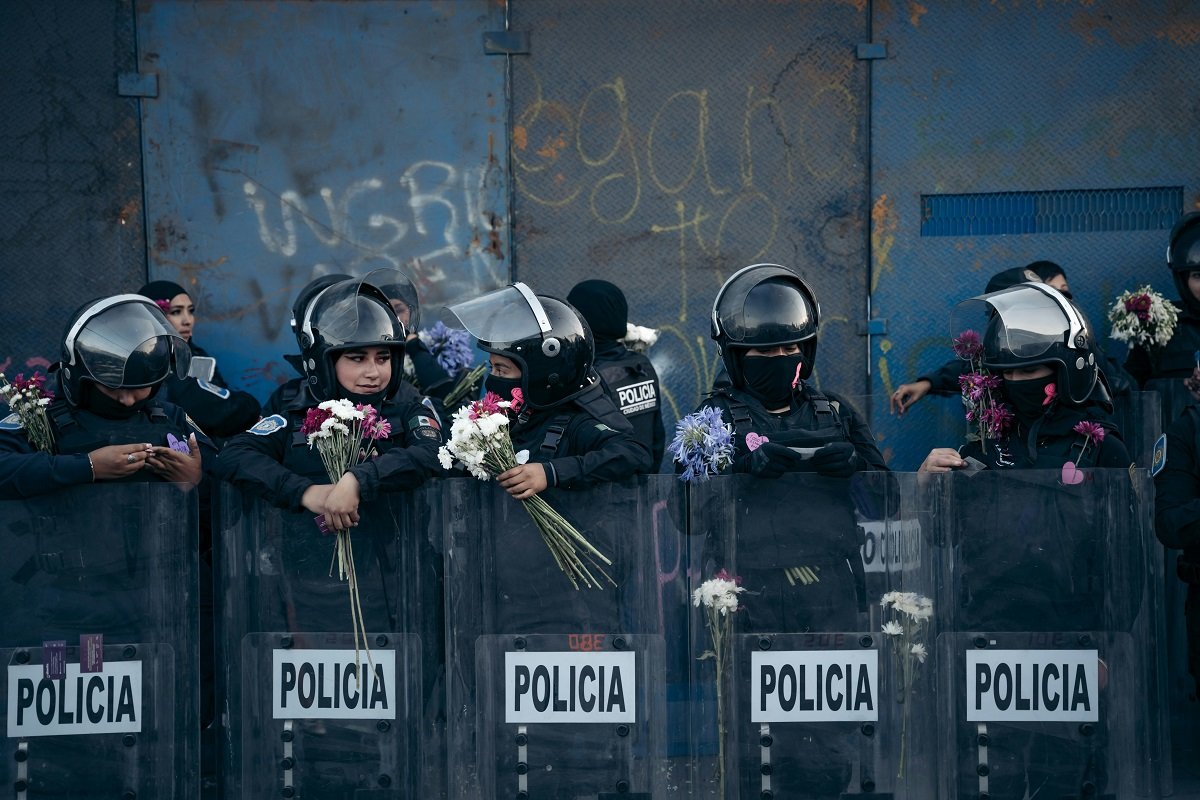

In the complex system of governance that defines the United States, law enforcement is traditionally a local and state responsibility. Cities, towns, and counties across the country operate their own police departments and sheriff’s offices, employing officers to uphold the law, maintain order, and protect public safety. These agencies enforce state and municipal laws and answer directly to local elected officials and community standards. However, despite this emphasis on local control, the role of federal law in shaping, supporting, and overseeing local policing efforts is both significant and expanding.
Federal law acts as a framework that ensures national consistency in law enforcement standards, especially when it comes to constitutional rights and civil liberties. From civil rights investigations to funding incentives and inter-agency task forces, the federal government plays a key role in influencing how local policing is conducted. In many ways, federal law serves as both a safeguard against abuse and a catalyst for reform, promoting practices that align with constitutional values and national priorities.
The Foundation of Federalism and Law Enforcement

The concept of federalism is embedded in the U.S. Constitution and serves as the cornerstone of American governance. It defines the division of power between the federal government and the states, allowing each to operate within its own sphere of influence while maintaining a balance of authority. Policing, although not explicitly mentioned in the Constitution, has historically been recognized as a power reserved to the states under the Tenth Amendment. As a result, the vast majority of law enforcement is carried out at the state and local levels.
Nevertheless, the federal government retains considerable power to intervene in matters of national interest. This authority is derived from key constitutional provisions, including the Supremacy Clause, which establishes that federal law overrides conflicting state laws, and the Commerce Clause, which allows Congress to regulate activities that affect interstate commerce. Through these provisions, Congress and federal agencies have created a body of laws that shape how local police operate, particularly when their activities intersect with federal issues such as civil rights, immigration, drug enforcement, and counterterrorism.
In practice, this means that while a local police officer may be enforcing a state law during a routine arrest, they are also operating under the umbrella of federal constitutional protections. If they violate a person’s Fourth or Fourteenth Amendment rights during the process, the federal government has the authority to step in, investigate, and potentially enforce accountability. This dual structure ensures that while local authorities maintain operational control, federal law provides a necessary check on their power.
Civil Rights Laws
One of the most visible and impactful ways federal law shapes local policing is through the enforcement of civil rights protections. Since the Civil Rights Movement of the 1960s, the federal government—primarily through the U.S. Department of Justice (DOJ)—has assumed a vital role in ensuring that local police departments do not engage in unconstitutional practices such as racial discrimination, excessive use of force, or denial of due process.
Federal statutes like 42 U.S.C. § 1983 allow individuals to bring civil lawsuits against local law enforcement officers who violate their constitutional rights. These suits are often filed in federal court and provide a legal mechanism for victims of police misconduct to seek redress. More broadly, the DOJ has the authority to conduct “pattern or practice” investigations under the Violent Crime Control and Law Enforcement Act of 1994. These investigations target departments suspected of engaging in systemic abuse rather than isolated incidents.
When such abuses are confirmed, the federal government may enter into consent decrees with the offending departments legally binding agreements that mandate specific reforms. These decrees are monitored by federal judges and often require departments to overhaul their policies on use of force, implement bias training, establish better internal accountability systems, and engage more effectively with the communities they serve. While the process can be lengthy and resource-intensive, consent decrees have been instrumental in transforming police departments in cities like Ferguson, Missouri, and Seattle, Washington.
Financial Influence
While civil rights laws represent a form of federal oversight, financial incentives provide a more indirect but equally powerful tool for shaping local policing. Through various grant programs, the federal government supplies billions of dollars each year to police departments across the country. These funds help departments purchase new equipment, hire additional officers, adopt modern technologies, and launch specialized initiatives targeting issues like domestic violence, gun crime, or drug abuse.
Programs like the Community Oriented Policing Services (COPS) Office and the Byrne Justice Assistance Grant (JAG) are two of the most significant sources of federal funding. These grants often come with conditions attached, such as requirements to implement community policing strategies, collect specific crime data, or cooperate with federal law enforcement agencies. In essence, money becomes a means of influencing local behavior, encouraging departments to align with federal standards in exchange for financial support.
However, this funding dynamic can be controversial. Critics argue that it gives the federal government too much power over local policing priorities, allowing national politics to dictate local law enforcement agendas. The issue came to the forefront during debates over “sanctuary cities,” where federal officials attempted to withhold funding from municipalities that refused to cooperate with immigration enforcement efforts. Legal challenges ensued, raising important constitutional questions about the balance of power between federal and local authorities.
Joint Operations
Another critical aspect of the federal-local relationship is interagency cooperation through joint task forces and operations. Many crimes, especially those involving narcotics, gangs, weapons trafficking, cybercrime, or terrorism, transcend local boundaries and require a coordinated response. Federal agencies such as the FBI, DEA, ATF, ICE, and Homeland Security Investigations (HSI) often work hand-in-hand with local police departments to address these threats.
These partnerships typically take the form of joint task forces, where federal and local personnel collaborate on investigations, share intelligence, and execute operations together. For instance, the FBI’s Joint Terrorism Task Forces (JTTFs) bring together agents and officers from multiple jurisdictions to monitor and disrupt terrorist activity. Similarly, the DEA’s regional enforcement teams work closely with local narcotics units to dismantle drug trafficking organizations.
While these collaborations can significantly enhance investigative capacity and operational efficiency, they are not without controversy. Critics contend that local officers assigned to federal task forces may operate under different rules, potentially circumventing local accountability mechanisms or community oversight boards. Additionally, the militarized tactics and equipment often associated with federal operations can clash with the principles of community policing that many local departments strive to uphold.
Immigration Enforcement
Few areas exemplify the tension between federal and local law enforcement more clearly than immigration enforcement. Immigration is constitutionally a federal issue, yet federal authorities frequently rely on local police to assist with identifying and apprehending undocumented immigrants. Programs like 287(g) enable local law enforcement agencies to enter into formal agreements with Immigration and Customs Enforcement (ICE), granting them limited authority to perform immigration-related duties.
While supporters argue that these partnerships enhance public safety by removing dangerous criminals from communities, opponents raise serious concerns about their broader impact. Local involvement in immigration enforcement can erode trust between police and immigrant communities, leading to decreased crime reporting, social isolation, and heightened fear. Moreover, these programs can divert local resources away from core policing responsibilities.
In response, many cities and counties have adopted “sanctuary” policies, which limit or prohibit cooperation with ICE. These policies vary widely but generally prevent local officers from inquiring about immigration status, honoring detainer requests, or sharing information with federal authorities. The federal government’s attempts to penalize sanctuary jurisdictions have sparked legal battles over states’ rights, with courts often siding with localities on the grounds that the federal government cannot compel local action under the Tenth Amendment.
The Legal Framework
Several federal laws provide the legal scaffolding that underpins the federal role in local policing. Beyond the Constitution itself, key statutes have had a lasting impact on how police departments operate and how they are held accountable.
The Fourth Amendment safeguards against unreasonable searches and seizures, setting the standard for everything from stop-and-frisk practices to surveillance operations.
The Civil Rights Act of 1964 (Title VI) prohibits discrimination in programs receiving federal assistance, including police departments, allowing the DOJ to cut off funding to agencies found to be engaging in racist practices.
The Omnibus Crime Control and Safe Streets Act of 1968 laid the foundation for modern criminal justice funding and coordination between federal and state authorities.
The USA PATRIOT Act of 2001 expanded surveillance and intelligence-sharing powers, reshaping the landscape of local policing in an age of terrorism.
The Violent Crime Control and Law Enforcement Act of 1994 gave the DOJ the authority to investigate and reform police departments through consent decrees.
These laws reflect the evolving relationship between the federal government and local police, providing both carrots and sticks to guide reform, ensure accountability, and promote justice.
Looking Forward
The federal role in local policing continues to evolve amid ongoing social, political, and technological changes. Movements for racial justice, criminal justice reform, and police accountability have spurred renewed interest in using federal power to enforce nationwide standards. Proposed legislation like the George Floyd Justice in Policing Act seeks to implement sweeping reforms, including banning chokeholds, creating a national police misconduct database, and eliminating qualified immunity for officers.
At the same time, emerging technologies such as facial recognition, predictive policing algorithms, and real-time surveillance systems raise complex legal and ethical questions. These tools often outpace existing legal frameworks, requiring new federal guidelines and oversight mechanisms to ensure they are used responsibly and equitably.
Ultimately, the future of federal involvement in local policing will depend on finding the right balance between national oversight and local control. While federal laws and agencies can provide vital support and accountability, reforms must also reflect the unique needs and values of individual communities. A collaborative approach that emphasizes transparency, accountability, and mutual respect is essential to building a policing system that is both effective and just.
A Complex but Necessary Partnership
The relationship between federal law and local policing is multifaceted and deeply rooted in the American tradition of checks and balances. While local agencies carry out the day-to-day responsibilities of law enforcement, they do so within a framework shaped by federal statutes, judicial decisions, and administrative policies. This framework not only promotes consistency and fairness across jurisdictions but also provides crucial protections for individual rights.